Stepping Into Adult Care: A Transition Guide for Adolescents With JDM

A practical guide to help you take the lead in your care with confidence.

What Transition Means


Transition vs. Transfer

Transition is the entire process of preparing to move from pediatric care into adult medical care.

Transfer is the actual event — the moment you move from your pediatric rheumatologist to an adult provider.


Why Transition Feels Big

For many teens and families, transition is emotionally charged. It often means saying goodbye to a rheumatologist who has been there “since day one.” It can feel like another unwanted loss, another change in a long line of changes. Leaving something familiar and cherished for an unknown future brings both longing and fear. Both feelings are normal.

The Three Components of Transition

Understanding Your JDM Story

Recognizing the Support You’ve Had

Building Independence and Advocacy

Knowing your own history helps you speak up for yourself and feel confident in adult care.

Your Diagnosis and Early Symptoms
  • When were you diagnosed with JDM?
  • What were your first symptoms?
  • How long did it take to get the diagnosis?
  • What was that time like, undergoing tests to find out?  
  • What were the worries about what could be the cause of your illness before you got the diagnosis?
  • What was your and your family’s first response upon hearing about JDM and what this might mean for you and your life going forward?
  • How did you “settle in” becoming a JDM patient?
  • What do you remember about receiving information on JDM? 
  • Where did you picture yourself (your child) in the spectrum of disease severity?
  • What impact did the sketched scenario of possible course over time of your child’s illness and treatment have for you?
  • What helped you re-establish firm ground under your feet, get oriented and become active participants in the treatment?
  • How did you deal with the intensity of treatment (multiple meds started, possibly intravenous infusions, subcutaneous meds, steroids, medication side effects)?
  • How did important people around you respond (e.g. siblings, extended family, neighbors and friends, classmates, teachers etc.)?
  • How would you characterize the course of your disease over time
  • Ups and downs?
  • Steadily improving?
  • Difficult for a long time and hard to control?
  • Great improvement but then followed by a disappointing flare and set back?
  • What were the key treatments that made you better?
  • Do you remember the names of medications, how you took them, how you tolerated them?
  • What was hardest over time?
  • What limited you in pursuing an active lifestyle the way you would choose most?
  • Do you feel it took you a long time to “catch up” with peers? 
  • Where do you see yourself now?
  • Are you doing well?
  • Do you have some remaining symptoms?
  • Do you suffer from any long-term complications of your JDM disease or treatment? 
  • Are you still on medications? Which ones? What are their doses? 
  • Do you have some disease activity on medications?
  • What have you been told what your rheumatologist’s assessment of your disease control is? 
    • Are you controlled on medications without disease activity (“quiescence”)?
    • Have you been without symptoms or findings for a long time but still on medications (“remission on medication”)?
    • Or are you off meds doing well (remission)?

Your pediatric care team helped you navigate a difficult journey. Use that experience to guide your adult care.
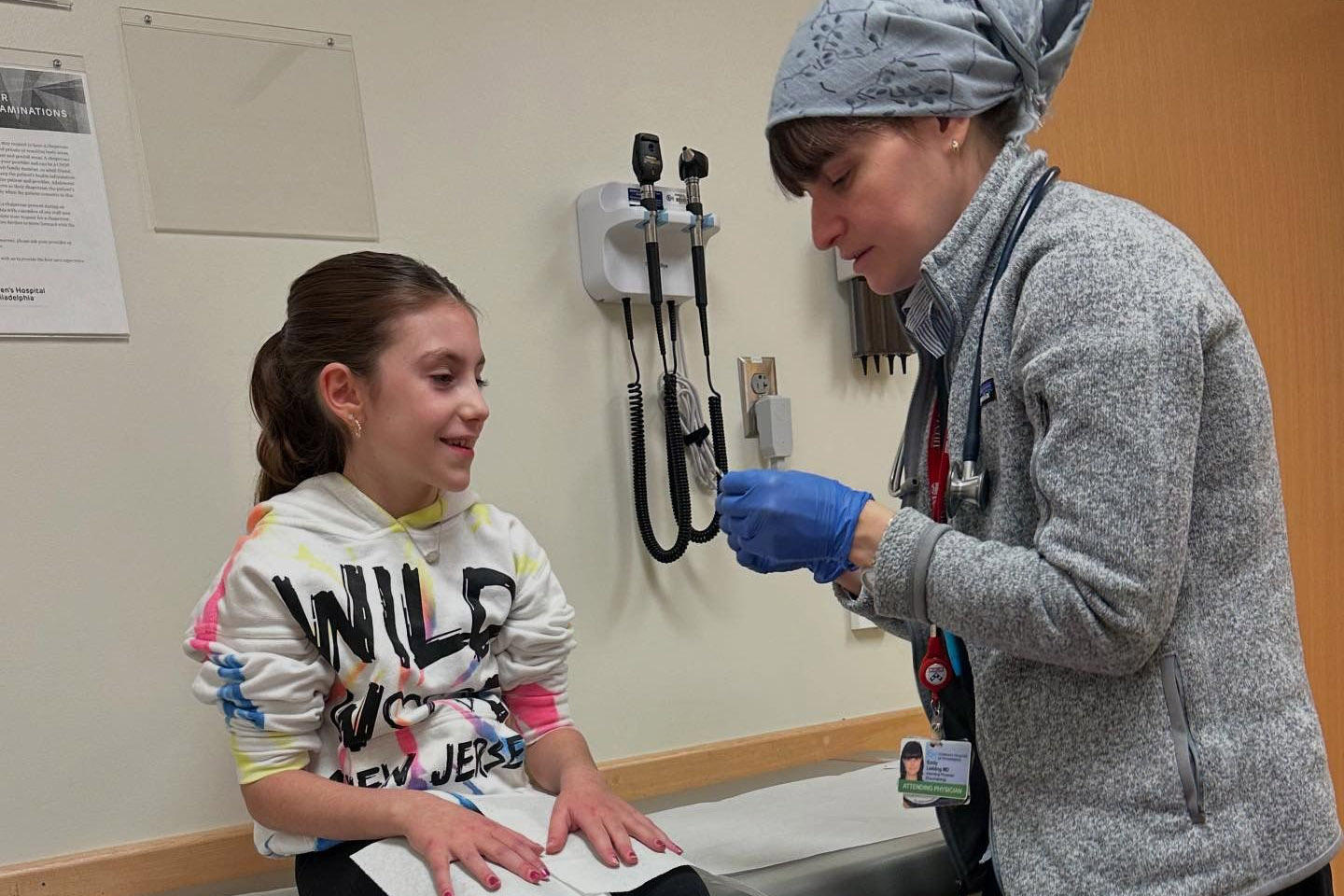
Juvenile dermatomyositis patient Natalia with Dr. Liebling, JDM researcher

Transition is also about learning to take the lead in your own care.

  • Communicating directly with your provider
  • Understanding your medications
  • Managing pharmacy refills
  • Beginning to understand insurance basics
  • Leading parts of your appointment

Knowing When It's Time to Transfer

How Do You Know You’re Ready to Transfer?

  • What is your clinic’s transition policy?
  • Has your pediatric rheumatologist prepared you?
  • Are you medically stable?
  • Are you managing your medications?
  • Are you taking ownership of communication?
  • Are you avoiding too many life changes at once?
  • Have you had “practice visits” where you lead the conversation?

What to Share With Your New Adult Provider

  • Identify the qualities you valued most in your pediatric rheumatologist
  • Put into words what made that relationship feel special
  • Share this with your new adult provider so they can better understand your experience and what you’re hoping for going forward

You’re Not Doing This Alone

Transition is a process. It brings up memories, questions, and emotions — and that’s normal. Your pediatric team, your family, and your future adult provider all want you to succeed. You’ve already done hard things. You can do this too.

Interested in DIY fundraising but need help?

We’re here to help!

To have your fundraiser matched, add “DIY Match” in the memo of your online gift or check.